Reading decoloniality
  • JOURNAL
    • Recent articles ⌄
    • Watermelon Hairclips and Safe Spaces: Leading a Movement Workshop as a visiting Israeli artist
    • Learning from Three Teachers: Mulyadhi Kartanegara, al-Attas and Ngũgĩ wa Thiong’o
    • What can anthropology contribute to decolonial scholarship?
    • Being an adīb among strangers: A reflection from the threshold
    • Inhabiting borderzones, becoming woman in women’s writing
  • ABOUT
    • Aims, scope & structure
    • Editorial, programming & advisory boards
    • Contact
    • FAQ
    • Special issues with partner journals
  • JOIN A READING GROUP
  • ⌂
  • Scholarship located in:
    • Africa
    • Asia
    • Europe
    • Oceania
    • United States
    • South America
  • Recommend a speaker
Reading decoloniality
  • JOURNAL
    • Recent articles ⌄
    • Watermelon Hairclips and Safe Spaces: Leading a Movement Workshop as a visiting Israeli artist
    • Learning from Three Teachers: Mulyadhi Kartanegara, al-Attas and Ngũgĩ wa Thiong’o
    • What can anthropology contribute to decolonial scholarship?
    • Being an adīb among strangers: A reflection from the threshold
    • Inhabiting borderzones, becoming woman in women’s writing
  • ABOUT
    • Aims, scope & structure
    • Editorial, programming & advisory boards
    • Contact
    • FAQ
    • Special issues with partner journals
  • JOIN A READING GROUP

Reading group registration

Reading Decoloniality is an inter-institutional platform for advanced study, dialogue and collaboration in decolonial research. Activities include an open-source publication (ISSN 2977-8573), reading group and residencies that produce and disseminate international and interdisciplinary scholarship answerable to communities, struggles, and ecologies.

You have reached the registration page where you can sign-up to reading groups. The discussions from these are captured in reflective pieces from authors within our publication, printed alongside the minutes.

Our next programme runs from October to December 2026 and the first two events online for registration.



African Design Philosophy and the limits of the pluriverse with Yaw Ofosu-Asare

Online reading group via Zoom

Thursday 15 October 2026

18:00 - 19:30

(Australian Eastern Daylight Time)

OR

(09:00 - 10:30)

(Central European Summer Time)

REGISTER

Abstract

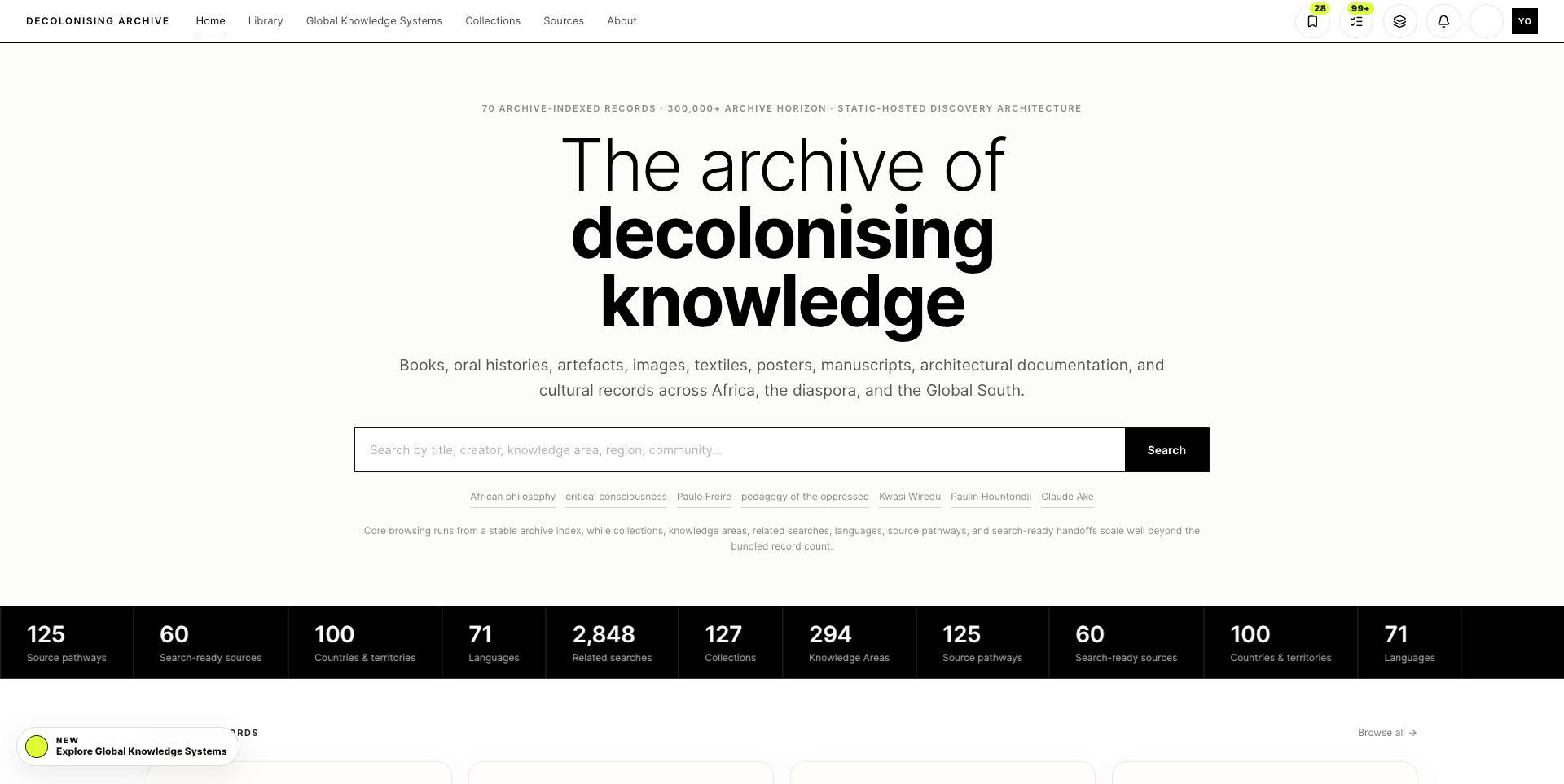
This reading group follows the launch of the The archive of decolonising knowledge, developed by Yaw Ofosu-Asare, which aims to bring together records, ideas, visual culture, oral traditions, and source pathways that support the recovery and organisation of decolonising knowledge.

In discussion with Ofosu-Asare, we will examine how African philosophy can reorganise the terms of design theory itself. Drawing on their recent paper and the ARED open archive, Ofosu-Asare will look at how African making has often been classified as craft, culture or informal adaptation, while its role in organising social, material and institutional life is overlooked. Ofosu-Asare will also introduce the idea of pluriversal mimicry, where plurality is welcomed as content while conceptual authority stays elsewhere, and develop an account of design grounded in relationality, temporality, repair and collective life.

In preparation for this session, please look at the below reading and check out the archive.

Readings

Please look over this paper and archive before joining:

Ofosu-Asare, Y. (2026) ‘African design philosophy and the limits of the pluriverse’, Designing, 0(0), pp. 1–6. Available at: https://doi.org/10.1177/30497671261464964.

If you are an independent scholar, contact RD Co-director Claire French for access (clairefrench(at)cc.au.dk).

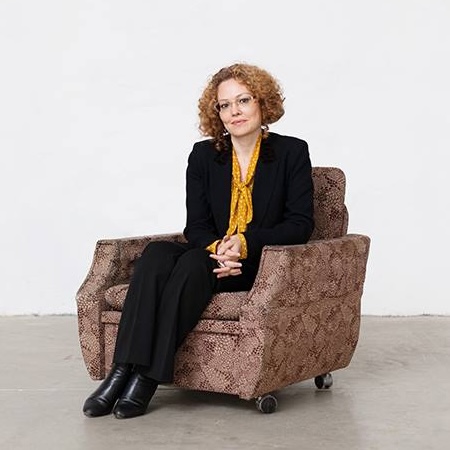
Bio

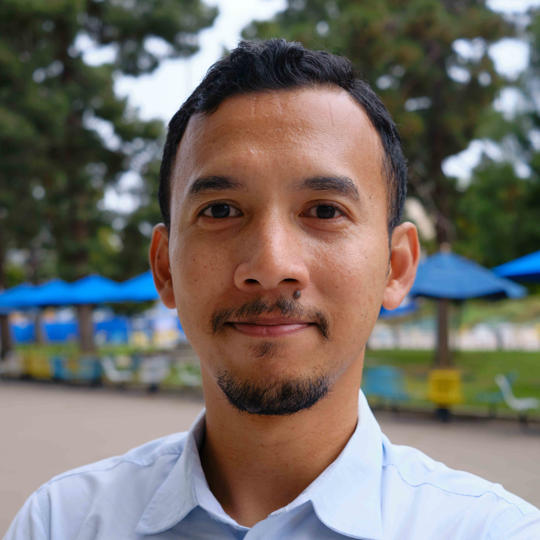
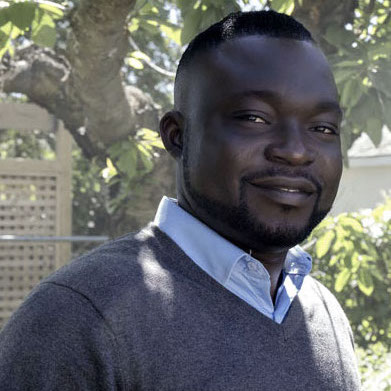
Dr Yaw Ofosu-Asare is a  Ghanaian designer, educator, and researcher based in Australia, whose work spans decolonial design, critical pedagogy, and African futures. They are the author of Decolonising Design in Africa: Towards New Theories, Methods, and Practices (Routledge, 2024) and African Design Futures: Decolonising Minds, Education, Spaces, and Practices (Palgrave Macmillan, 2024). Holding a PhD in Education, they examine how Indigenous knowledge systems, storytelling, and visual communication can function as tools of liberation and transformation. Ofosu-Asare is a Lecturer in Communication Design at RMIT University, working across industry-partnered studios and critical design pedagogy. Their broader practice includes collaborations with grassroots organisations, educational institutions, and social change initiatives, bringing together community-based design, speculative practice, and cultural critique. Ofosu-Asare also contributes to projects in climate justice, disability inclusion, and cultural sustainability. Across this work, they remain committed to equity, memory, and the reimagining of design beyond inherited colonial frames.

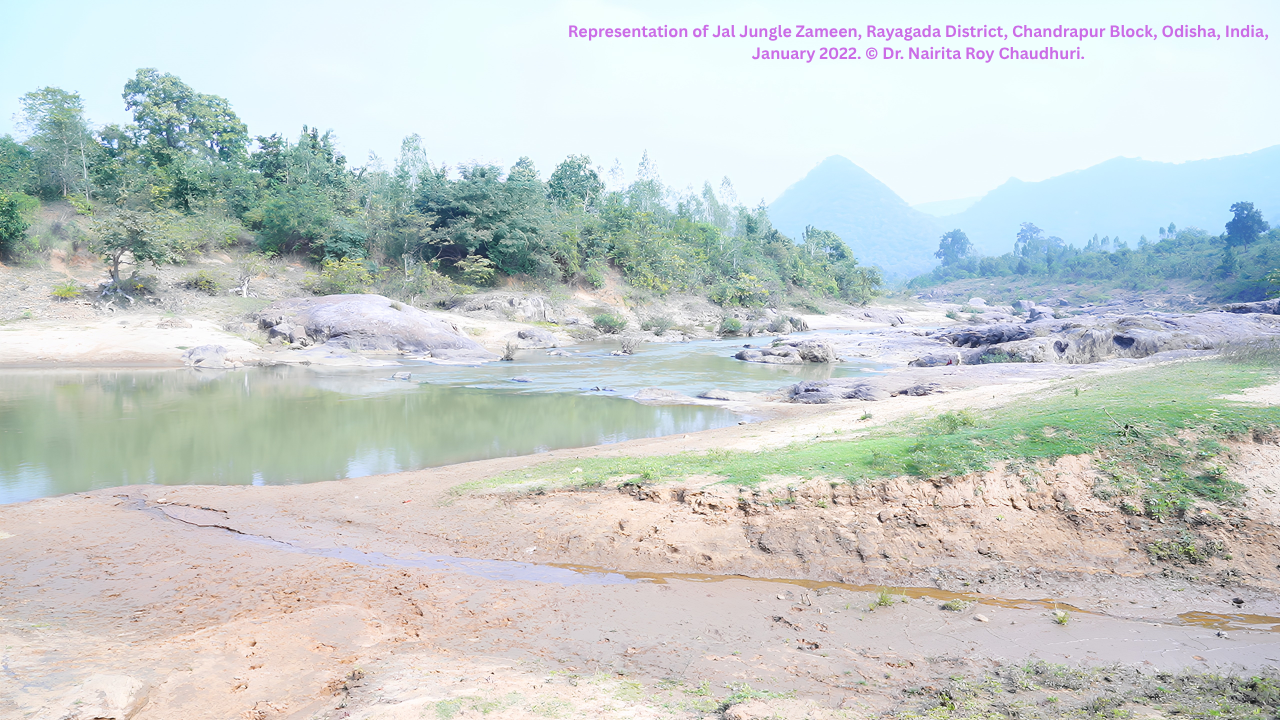
Jal, Jungle, Zameen’: Adivasi political economies and the reimagining of decolonial and postcapitalist Futures in India with Nairita Roy Chaudhuri

Online reading group via Zoom

Thursday 12 November 2026

15:00 - 16:30

(Indian Standard Time)

OR

(10:30 - 12:00)

(Central European Time)

REGISTER

Abstract

Degrowth is an anti-capitalist movement and approach that calls for a planned reduction in economic production and consumption so that cumulative human activities remain within planetary boundaries while ensuring socio-ecological justice. But what might degrowth look like for subsistence Indigenous (Adivasi) and Dalit communities in postcolonial India, who are currently resisting internal colonisation, including structural displacement through bauxite mining activities in Odisha in eastern India, and ongoing police violence facilitated by the carceral state and corporations in the northern state of Madhya Pradesh, that threatens their ancestral forest lands and low-impact livelihoods?

In this reading group, Nairita Roy Chaudhuri will explore alternative Adivasi economics that are non-violent and grounded in a relational understanding of land – one that integrates water, forests, and earth (Jal, Jungle aur Zameen) as interconnected and inseparable from community life. They argue that engaging with these situated economic practices and worldviews can expand our current limited economic horizons and open up alternative possibilities for imagining just and sustainable futures, while also rethinking how degrowth understands sufficiency, land, and socio-ecological transformation beyond dominant Western framings. The degrowth movement must therefore ally with Indigenous and Adivasi economics across nation-state borders to develop a more situated, relational, and decolonial understanding of ‘Land’, while confronting the extractivist and carceral structures of state violence and manifestations of fascism through which colonial capitalism continues to displace, dispossess, and impoverish subaltern peoples.

There are no preparation materials for this session.

Bio

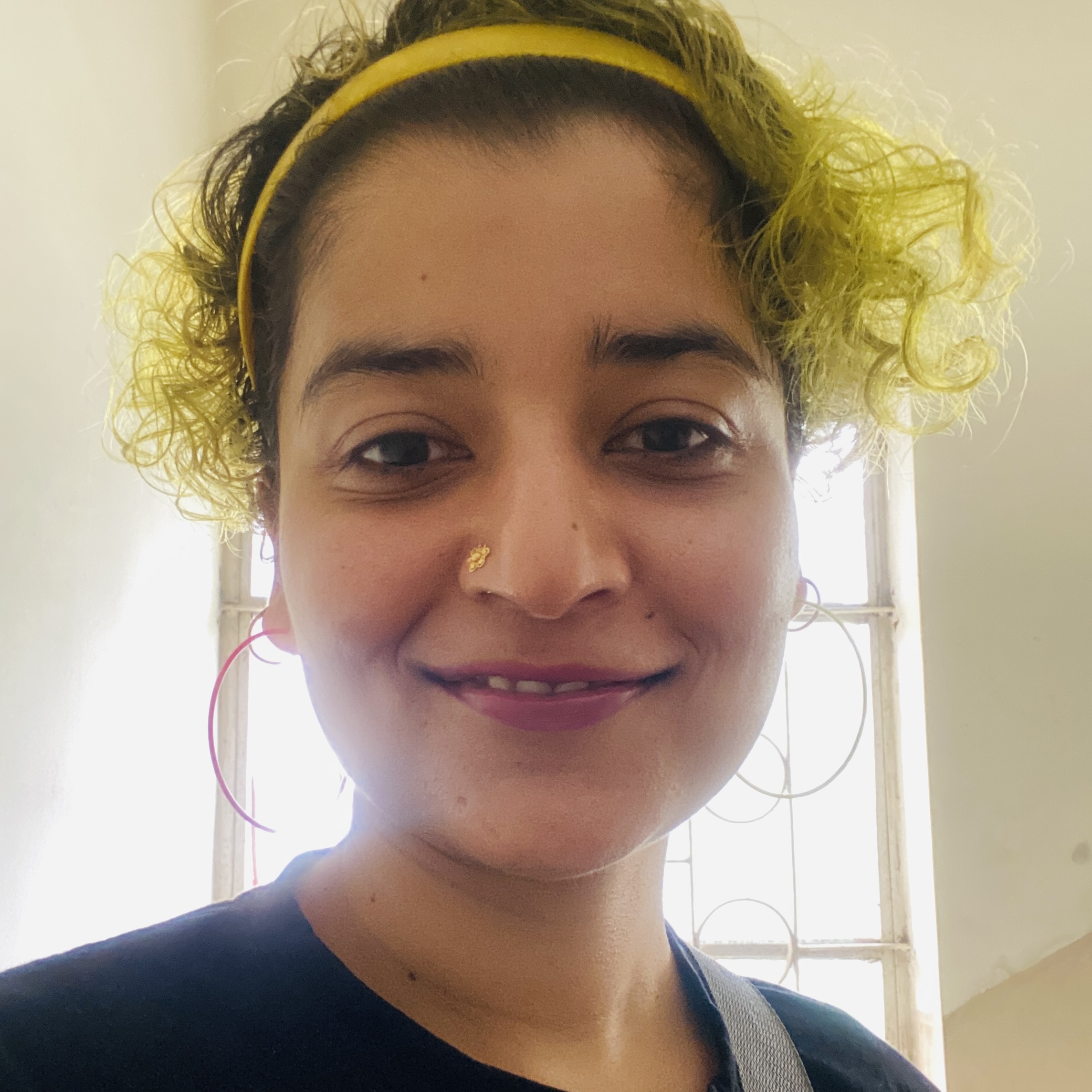
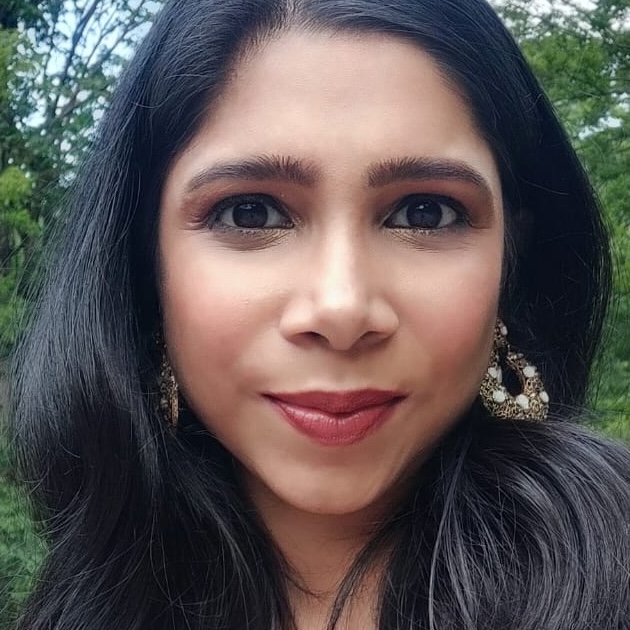
Nairita Roy Chaudhuri holds a PhD in Law and Development from Tilburg University, the Netherlands, and the University of Oslo, Norway. Currently based in India, she is an undisciplinary and independent researcher and activist working on climate justice and degrowth. Her research interests lie in feminist-decolonial approaches to socio-ecological, economic, political, and just transformations, and in using artistic methods, including documentary filmmaking, poetry, and visual storytelling, in that process. She is also the founder of Planet Decolonized, a creative social-media venture that reimagines socio-ecological justice from subaltern perspectives, away from mainstream, whitewashed narratives. Her publications can be found here.

PREVIOUS READING GROUPS

The Moral Career of a Medical Scientific Fact: How the thrifty Gene Hypothesis Became Post and Anti Colonial in Singapore and Island Oceania with Mohammad Bin Khidzer

Online reading group via Zoom

Wednesday 24 June 2026

15:00 - 16:30

(British Summer Time)

OR

(16:00 - 17:30)

(Central European Summer Time)

EVENT PASSED
Interrogating the Prophesies of National Genomics Initiatives in the Global South with Tayyaba Jiwani

Online reading group via Zoom

Tuesday 26 May 2026

15:00 - 16:30

(British Summer Time)

OR

16:00 - 17:30

(Central European Summer Time)

EVENT PASSED
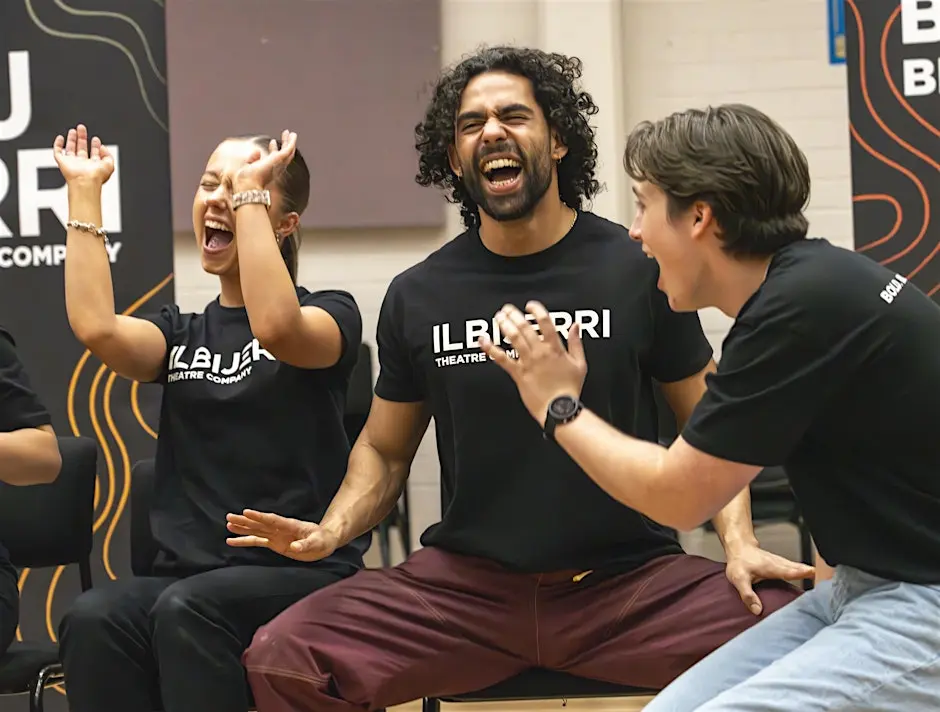
Integrating Indigenous Knowledges with Applied Theatre for sexual health education in First Nations communities with Sarah Woodland

Online reading group via Zoom

Wednesday 29 April 2026

17:00 - 18:30

(Australian Eastern Standard Time)

OR

09:00 - 10:30

(Central European Time)

EVENT PASSED
Revisiting the three and a half decades of decoloniality with Madina Tlostanova

Online reading group via Teams

Wednesday 3 December 2025, 15:00 - 16:30

(Central European Time)

EVENT PASSED
A genealogy of adab and the urge to question world literature with Mwaffaq Al-Hajjar

Online reading group via Teams

Friday 7 November 2025, 20:00 - 21:30

(Australian Eastern Standard Time)

or 10:00 - 11:30

(Central European Time)

EVENT PASSED, CLICK FOR MINUTES
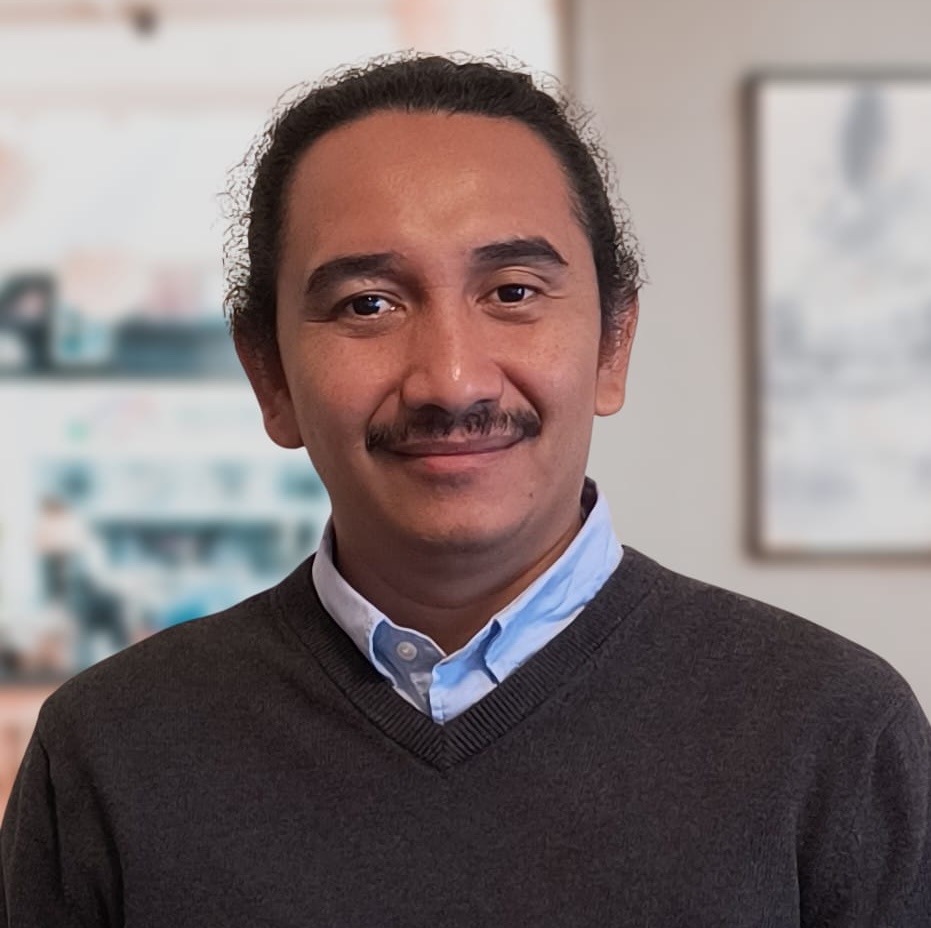
Incompatibility, decoloniality, and vaccine hesitancy with Dimas Iqbal Romadhon

Online reading group via Teams

Wednesday 29 October 2025, 17:00 - 18:30

(Greenwich Mean Time)

or 18:00 - 19:30

(Central European Time)

EVENT PASSED, CLICK FOR MINUTES
The return of biological races? With Celso Neto

Online reading group via Teams

Wednesday 9 July 2025, 16:00 - 17:30 (British Summer Time)

Event passed
Inhabiting borderzones, becoming woman: A decolonial reading of Krishna Sobti’s select fiction with Bharti Arora

Hybrid reading group via Teams and AIAS (Denmark)

Wednesday 7 May 2025, 10:00 - 11:30 (Central European Time)

EVENT PASSED, CLICK FOR MINUTES
Decoloniality in the midst of genocide with Muhannad Ayyash

Online reading group via Teams

Wednesday 4 December 2024, 17:00 - 18:30 (GMT)

Event passed, click for minutes
Knowledge production in the 'Arab-majority' world and unlearning in the field: Toward alternative research politics with Ali Kassem

Online reading group via Teams

Wednesday 6 November 2024, 11:00 - 12:30 (GMT)

EVENT PASSED, CLICK FOR MINUTES
From subjects to authors: Reclaiming agency in refugee research and building a publishing praxis with Kirandeep Kaur

Online reading group via Teams

Wednesday 9 October 2024, 18:00 - 19:30 (BST)

Event passed, click for minutes
Social justice in times of racial saturation with Gaspard Rey

Online reading group via Teams

Wednesday 18 September 2024, 16:00 - 17:30 (BST)

Event passed
Thinking with the grain of geography: Dust, desert and storytelling with Aya Nassar

Online reading group via Teams

Wednesday 7 August 2024, 16:00 - 17:30 (BST)

Event passed, click for minutes
(Re-)routing as Methodology: Unpacking the Ambivalent Proximities of Eastern European Whiteness with Špela Drnovšek Zorko

Online reading group via Teams

Wednesday 3 July 2024, 10:00 - 11:30 (BST)

EVENT PASSED, CLICK FOR MINUTES
Decoloniality in South African Language Policy: Resisting Marginalisation of African Language Speaking Children with Xolisa Guzula

Online reading group via Teams

Wednesday 5 June 2024, 16:00 - 17:30 (BST)

EVENT PASSED, CLICK FOR MINUTES
Decolonising Critique: Enfleshing Futurities (M)otherwise with Sara C. Motta

Online reading group via Teams

Wednesday 8 May 2024, 9:00 - 10:30 (BST)

EVENT PASSED, CLICK FOR MINUTES
Religion, modernity, coloniality: Thinking through decolonial Judaism with Santiago Slabodsky

Online reading group via Teams

Thursday 7 March 2024, 16:00 - 17:00 (GMT)

EVENT PASSED
Decolonisation as practice: Reflecting on personal and institutional journeys towards change with Asanda Ngoasheng

Online reading group via Teams

Wednesday 21 February 2024, 14:00 - 15:30 (GMT)

EVENT PASSED, CLICK FOR MINUTES
'Afroscenology and British actors?: Mobilising cultural and linguistic resources in performer training'

Wednesday 31 January 2024, 16:30 (GMT) with Samuel Ravengai, University of the Witwatersrand and Claire French, University of Birmingham

EVENT PASSED, CLICK FOR MINUTES
'Postcolonial memory work is wake work'

Wednesday 6 December 2023, 15:00 (GMT) with Sakiru Adebayo, University of British Columbia

EVENT PASSED, CLICK FOR MINUTES
'What is the Relationship between Modernity and Capitalism?: A Decolonial Approach'

Wednesday 4 October 2023, 18:00 (BST) with Ramon Grosfoguel, UC Berkeley

EVENT PASSED, CLICK FOR MINUTES

Back to articles

Read our current issue with its provocations and minutes from previous reading groups.

Articles
Related articles
Europe, Middle East, Practice as research, Volume 4, Issue 1
Watermelon Hairclips and Safe Spaces: Leading a Movement Workshop as a visiting Israeli artist
  • March 16, 2026
  • 5 mins Read
Asia, Comparative Philosophy, Political theory, Volume 4, Issue 1
Learning from Three Teachers: Mulyadhi Kartanegara, al-Attas and Ngũgĩ wa Thiong’o
  • February 19, 2026
  • 8 mins Read
Anthropology, Asia, United States, Volume 4, Issue 1
What can anthropology contribute to decolonial scholarship?
  • December 2, 2025
  • 15 mins Read
Be notified of reading groups and publications

You consent to be contacted for these reasons.

Check your inbox or spam folder to confirm your subscription.


Reading Decoloniality © 2026 by Reading Decoloniality is licensed under

Creative Commons Attribution-NonCommercial-ShareAlike 4.0 International

© MMXXII | Terms | Privacy | Cookies | Accessibility | Modern Slavery Statement

Reading decoloniality
  • JOURNAL
    • Recent articles ⌄
    • Watermelon Hairclips and Safe Spaces: Leading a Movement Workshop as a visiting Israeli artist
    • Learning from Three Teachers: Mulyadhi Kartanegara, al-Attas and Ngũgĩ wa Thiong’o
    • What can anthropology contribute to decolonial scholarship?
    • Being an adīb among strangers: A reflection from the threshold
    • Inhabiting borderzones, becoming woman in women’s writing
  • ABOUT
    • Aims, scope & structure
    • Editorial, programming & advisory boards
    • Contact
    • FAQ
    • Special issues with partner journals
  • JOIN A READING GROUP
  • Aims & scope
  • Editorial & programming
  • Contact
Be notified of reading groups and publications

You consent to be contacted for these reasons.

Check your inbox or spam folder to confirm your subscription.

PRESS ESC TO CLOSE