Reading decoloniality
  • JOURNAL
    • Recent articles ⌄
    • Watermelon Hairclips and Safe Spaces: Leading a Movement Workshop as a visiting Israeli artist
    • Learning from Three Teachers: Mulyadhi Kartanegara, al-Attas and Ngũgĩ wa Thiong’o
    • What can anthropology contribute to decolonial scholarship?
    • Being an adīb among strangers: A reflection from the threshold
    • Inhabiting borderzones, becoming woman in women’s writing
  • ABOUT
    • Aims & scope
    • Editorial & Programming
    • Contact
    • FAQ
    • Special issues with partner journals
  • JOIN A READING GROUP
  • ⌂
  • Scholarship located in:
    • Africa
    • Asia
    • Europe
    • Oceania
    • United States
    • South America
  • Recommend a speaker
Reading decoloniality
  • JOURNAL
    • Recent articles ⌄
    • Watermelon Hairclips and Safe Spaces: Leading a Movement Workshop as a visiting Israeli artist
    • Learning from Three Teachers: Mulyadhi Kartanegara, al-Attas and Ngũgĩ wa Thiong’o
    • What can anthropology contribute to decolonial scholarship?
    • Being an adīb among strangers: A reflection from the threshold
    • Inhabiting borderzones, becoming woman in women’s writing
  • ABOUT
    • Aims & scope
    • Editorial & Programming
    • Contact
    • FAQ
    • Special issues with partner journals
  • JOIN A READING GROUP

Reading group registration

Reading Decoloniality is an inter-institutional platform for advanced study, dialogue and collaboration in decolonial research. Activities include an open-source publication (ISSN 2977-8573), reading group and residencies that produce and disseminate international and interdisciplinary scholarship answerable to communities, struggles, and ecologies.

You have reached the registration page where you can sign-up to reading groups. The discussions from these are captured in reflective pieces from authors within our publication, printed alongside the minutes.

Our next programme runs on the final Wednesday of each month from April to June 2026 and includes speakers from socially engaged theatre, public health genomics and globalised medicine focusing on decoloniality:


Integrating Indigenous Knowledges with Applied Theatre for sexual health education in First Nations communities with Sarah Woodland

Online reading group via Zoom

Wednesday 29 April 2026

17:00 - 18:30

(Australian Eastern Standard Time)

OR

09:00 - 10:30

(Central European Time)

REGISTER

Abstract

THE SCORE is a participatory model for sexual health education and promotion aimed at young people in First Nations communities in Australia. The model brings Indigenous knowledges and cultural practices into conversation with applied and educational theatre to facilitate a creative, culturally safe, stigma free space for exploring sexual health and healthy relationships.

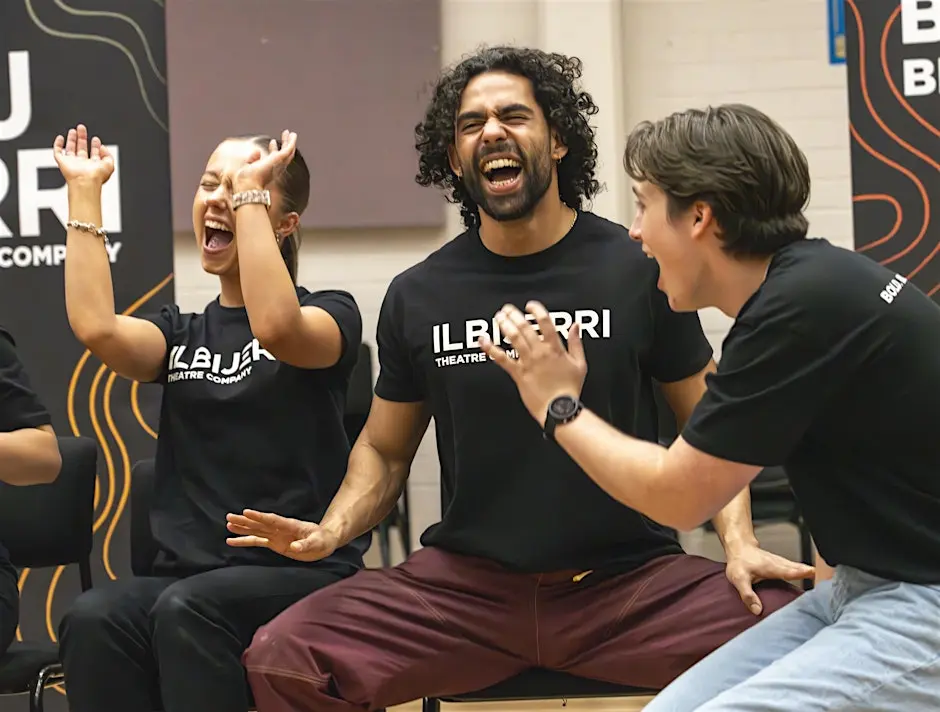
Led by the University of Melbourne in partnership with ILBIJERRI Theatre Company, the project employs a four-phase model, beginning with a dynamic ‘KICK-OFF’ performance that introduces sexual health topics through scenarios involving young characters at a football carnival. This is followed by a residency where participants engage in yarning circles and drama exercises to unpack issues raised in the performance. The process culminates in a ‘GRAND-FINAL’ performance, where participants showcase their learning alongside the Ensemble, fostering community dialogue and accountability.

THE SCORE is underpinned by a holistic, strengths-based, and culturally safe approach, which empowers young people to explore sexual health within a supportive community framework. The project has demonstrated significant outcomes, including increased awareness of prevention and testing for Sexually Transmissible Infections, enhanced community engagement, and strengthened peer relationships. THE SCORE Ensemble, comprising young First Nations performer-facilitators, plays a crucial role in delivering the model, bringing diverse skills and fostering peer connections.

Through capacity-building workshops, THE SCORE extends its impact by equipping community leaders with theatre-based methods for addressing wellbeing issues. The project’s success underscores the importance of culturally tailored, participatory approaches in health education, offering a replicable model for other communities seeking to address similar challenges.

Sarah will share the approach and outcomes from THE SCORE, which was delivered in communities over 2022-2023. She will highlight some of the key tensions and challenges of this cross-cultural approach, as well as the transformative potential of integrating Indigenous cultural practices with applied theatre to foster meaningful dialogue and empowerment in sexual health education.


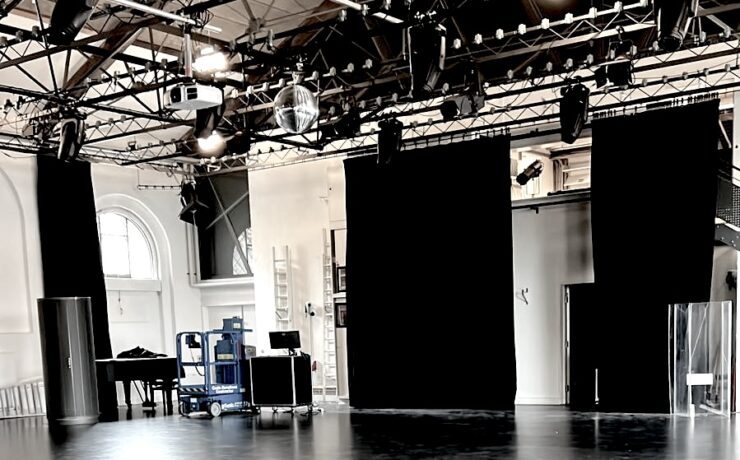
Photo: Performers at Ilbijerri.

Readings

This will be a session that shares practice-as-research, and thus no readings are set beforehand. You can explore Woodland’s publications here.

Bio

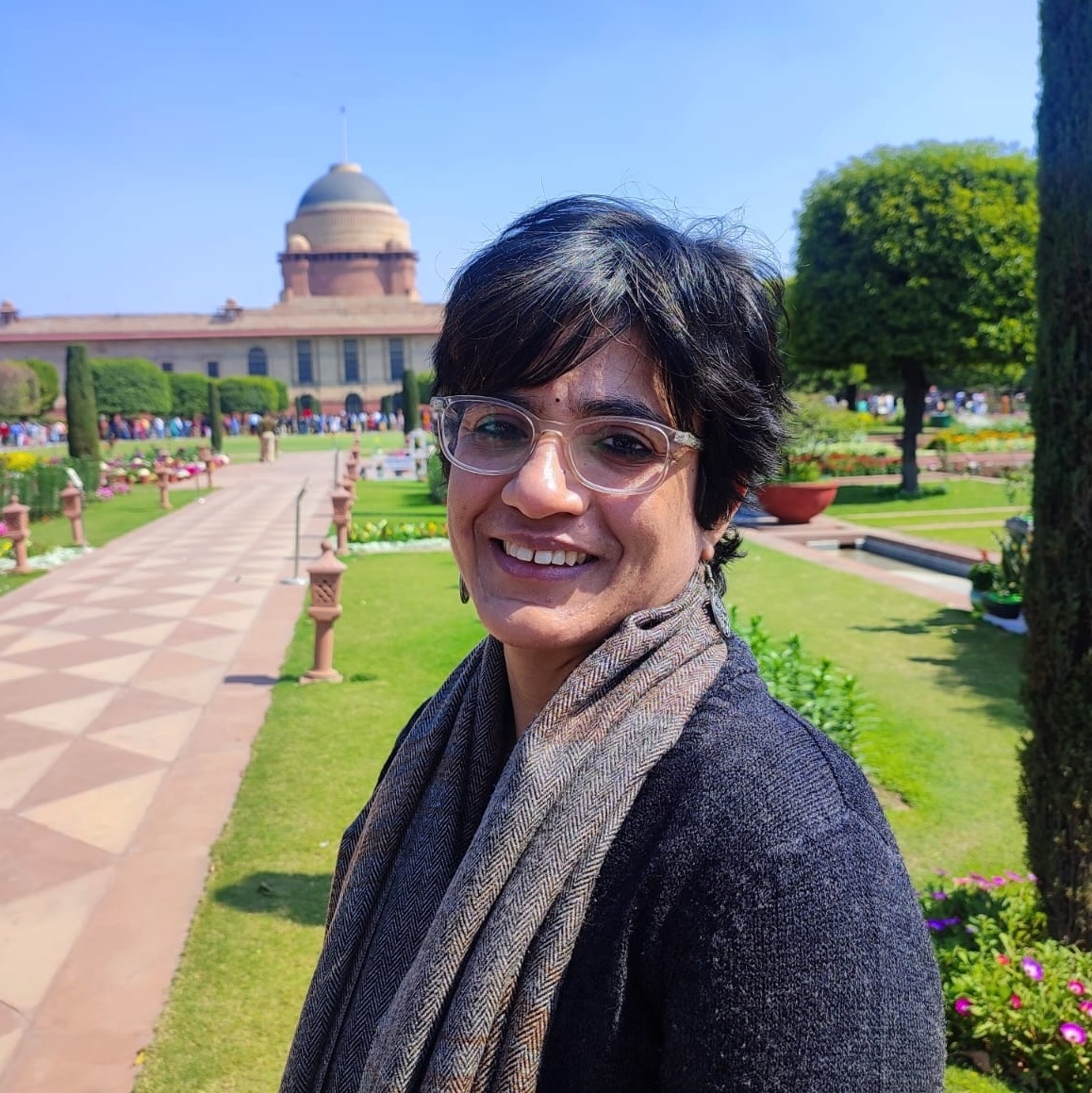
Dr Sarah Woodland is a researcher, practitioner, and educator in applied theatre, participatory arts, and socially engaged performance. She has over 25 years’ experience in the arts and cultural sectors in Australia and the UK, with a particular focus on the performing arts in social justice, criminal justice, climate justice, and health and wellbeing. Sarah is a Senior Lecturer in Theatre at the Victorian College of the Arts, and in 2022 completed a Dean’s Research Fellowship in the Faculty of Fine Arts and Music, and is a chief investigator on the Australian Research Council Discovery Indigenous project ‘Dandhigu yimbana: Listening on Country for social-emotional wellbeing’ led by Dr Vicki Saunders. Sarah has led numerous community engaged partnership projects and published widely in theatre and the arts, as well as contributing to trans-disciplinary discourses in crime and justice, health, and community development. Her latest publication, First Nations Australian Theatre for Health Equity: Healing Stories (Springer, 2024), was co-authored with Kamarra Bell-Wykes.

Interrogating the Prophesies of National Genomics Initiatives in the Global South with Tayyaba Jiwani

Online reading group via Zoom

Wednesday 27 May 2026

15:00 - 16:30

(British Summer Time)

OR

16:00 - 17:30

(Central European Time)

REGISTER

Abstract

In the early 2000s, global development policy promoted a model of public health genomics as a pathway to both health improvement and economic growth in ‘developing countries’. Governments were encouraged to invest in national genome sequencing initiatives and translate genomic knowledge into biotech innovation addressing domestic health needs. Two decades later, this paper examines the Indian genome program as a case study to ask why this policy model has failed to deliver on its core promises – medical benefits, health equity, economic prosperity, and ‘genomic sovereignty’.

Tayyaba argues that the model mobilised a decolonial rhetoric of scientific and economic independence for developing nations, yet its prescriptions failed to challenge the structural conditions of dependence in the global economy. Instead, it advocated the wholesale adoption of a neoliberal ‘innovation economy’, centred on large-scale public investment in genomics infrastructure, alongside policies that relaxed intellectual property laws and promoted the commercialisation and financialisation of biotech innovation.

Far from realising its prophesies, this model of national genomics has in fact entrenched existing health inequalities and patterns of value extraction along both local and global axes. This paper underscores the limits of technoscientific development projects that selectively mobilise decolonial discourse while failing to transform the underlying material relations in the national and global economy.

Readings

Readings will be posted here, and registered attendees notified, closer to the reading group.

Bio

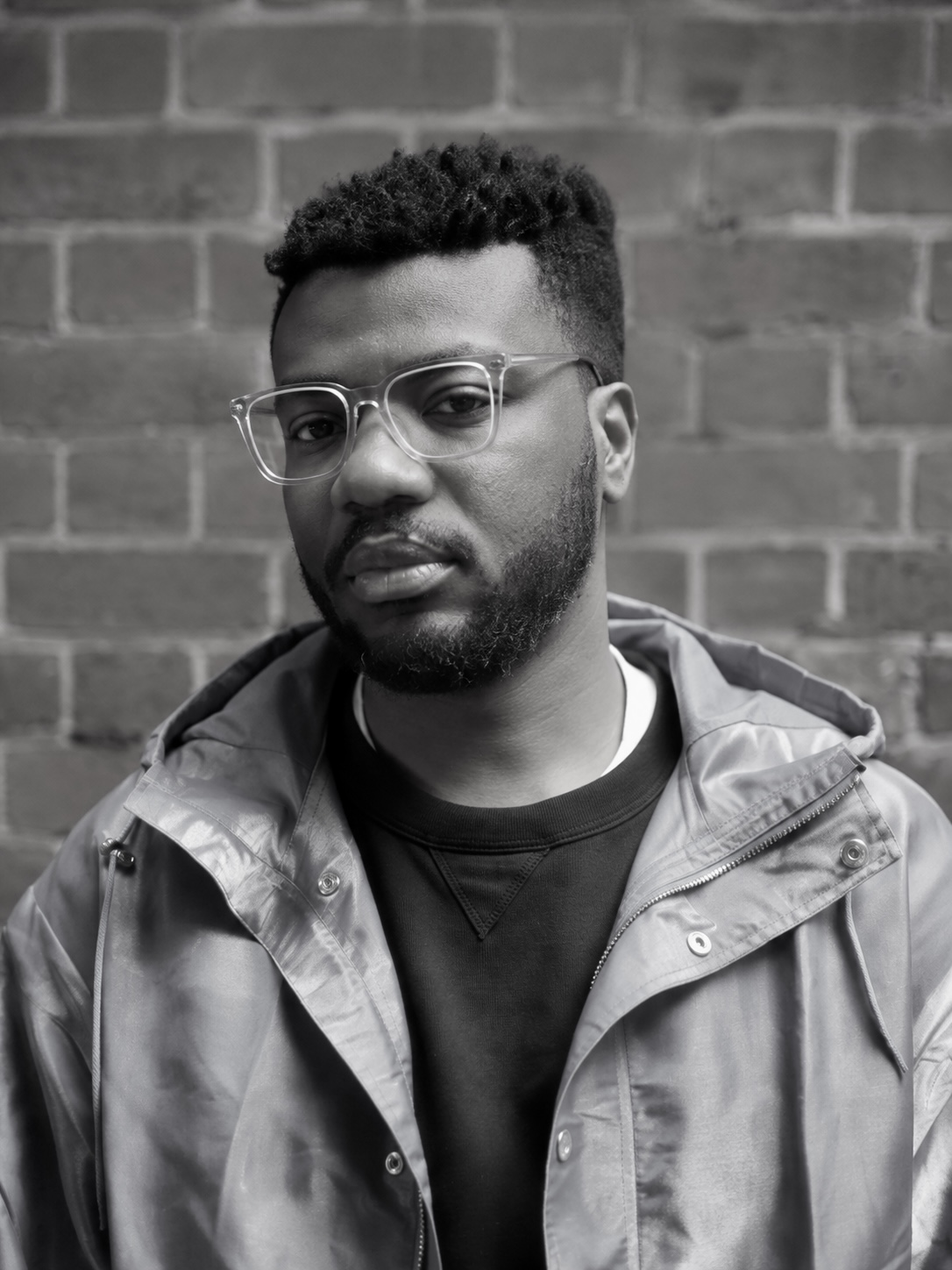
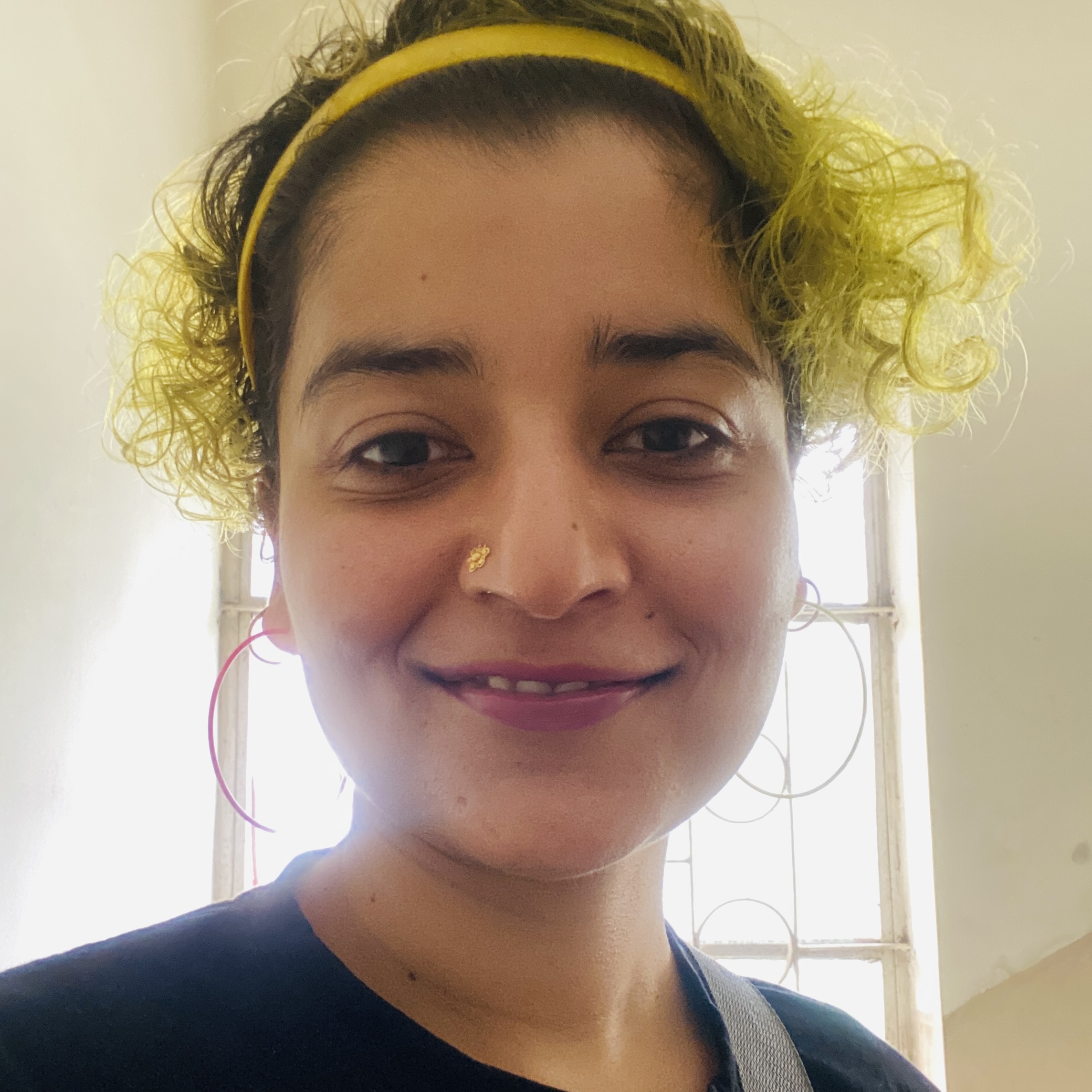
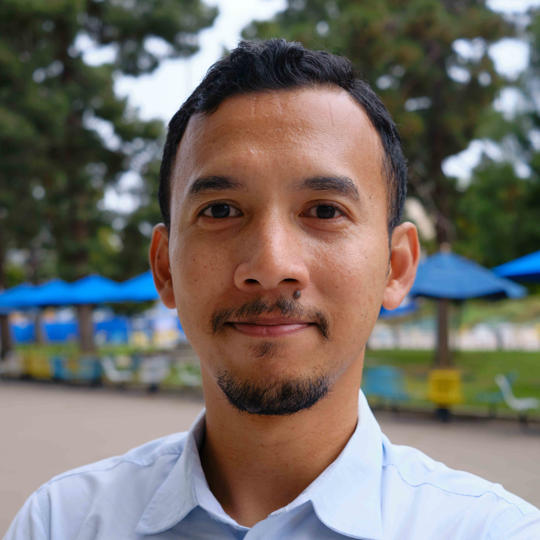
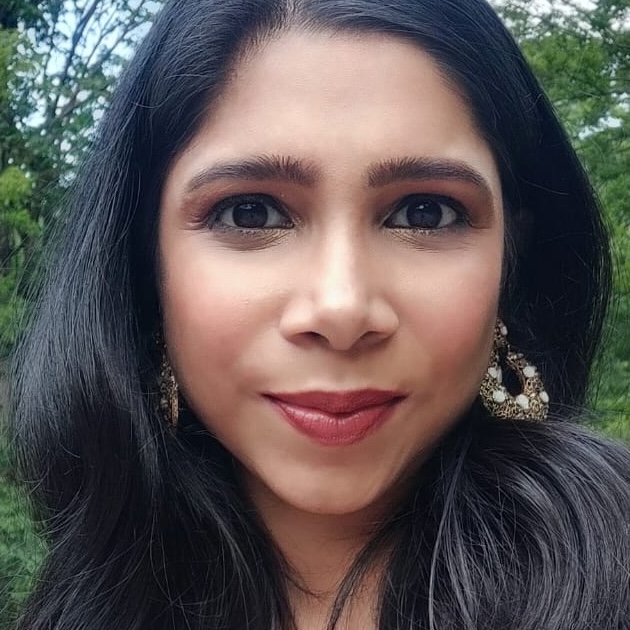
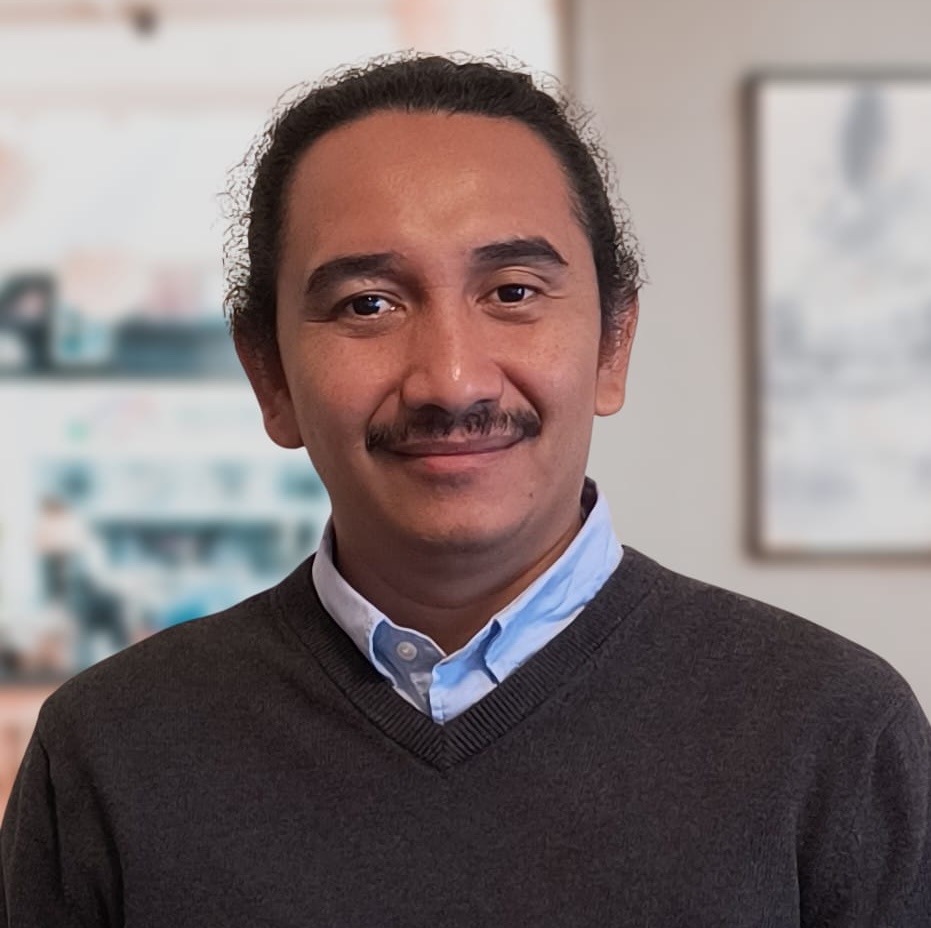
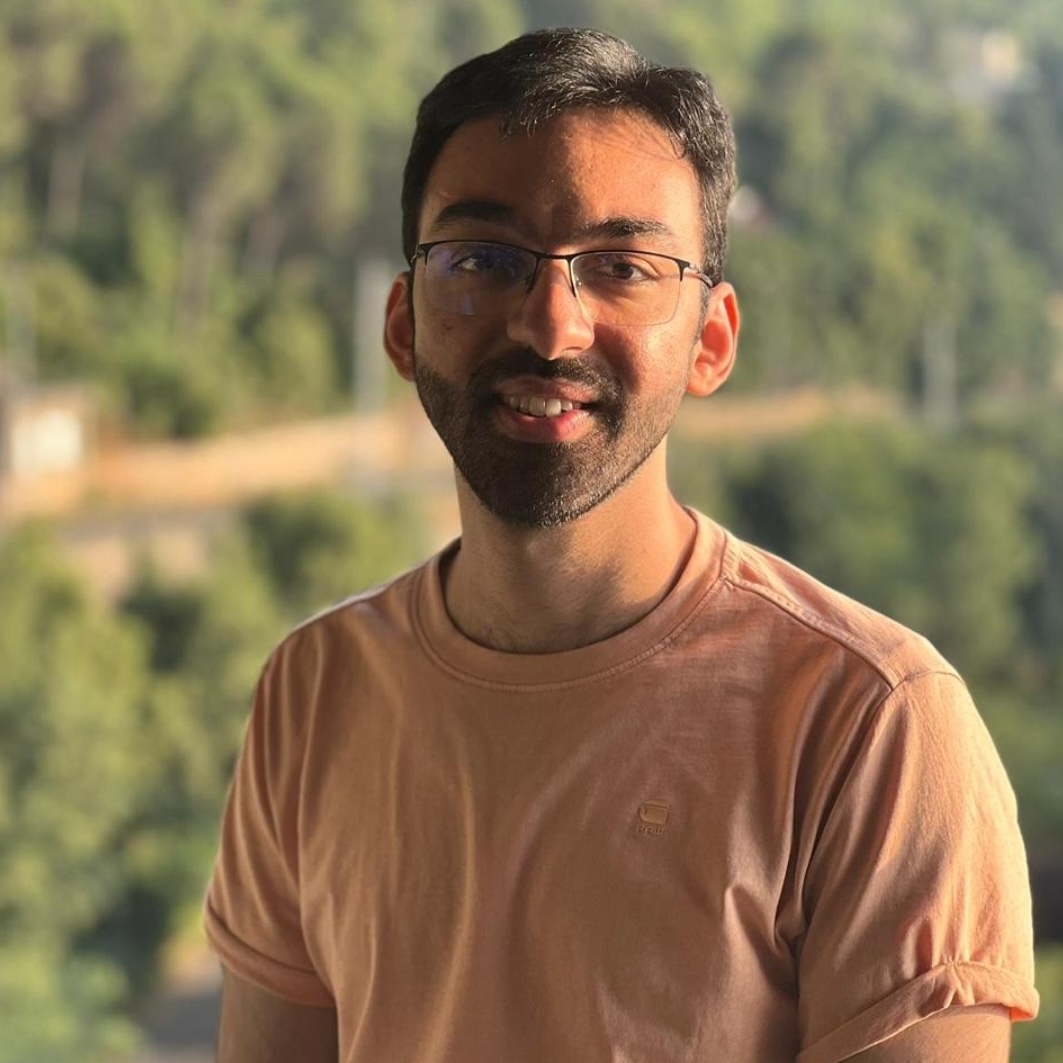
Dr Tayyaba Jiwani is a Postdoctoral Research Fellow at the ERC-funded HUGERA (Human Genomics Without Racism) project, based at Egenis, the Centre for the Study of Life Sciences at the University of Exeter. She received her PhD in cancer biology and genetics from the University of Toronto. Her current research is in science and technology studies, focusing on the sociology of genomics at the intersection of race and nationalism, with an emphasis on South Asia.

The Moral Career of a Medical Scientific Fact: How the thrifty Gene Hypothesis Became Post and Anti Colonial in Singapore and Island Oceania with Mohammad Bin Khidzer

Online reading group via Zoom

Wednesday 24 June 2026

15:00 - 16:30

(British Summer Time)

OR

(16:00 - 17:30)

(Central European Time)

REGISTER

Abstract

Existing sociological research on global health pay attention to how medical scientific knowledge and practices become diffused, and in some cases interact with national – local institutional arrangements to engender distinct biopolitical formations and health morality. However, scant consideration has been given to how the very science underlying these ideas change as they travel. Borrowing perspectives from the sociology of scientific knowledge and postcolonial sociology, this presentation builds on the literature on global health by elucidating how medical scientific ideas such as the thrifty gene hypothesis, posited by American geneticist James Neel in 1962 to explain the high prevalence of type 2 diabetes among certain ethnoracial groups, was transformed as it encountered the postcolonial politics in the Asia Pacific region.

Following research on diabetes causality and public facing diabetes messaging in Singapore and island Oceania between 1960-2000, a period which also saw efforts to internationalise and standardise diabetes by multilateral health institutions such as the World Health Organization, Bin Khidzer first presents how the thrifty gene hypothesis converged with local and regional ethnoracial classification systems to reproduce moralized public health messaging that sought to discipline the genetics and behavior of ‘at risk’ minorities.

Secondly, Bin Khidzer shows how the hypothesis was mobilized by postcolonial scientific and political actors who exploited the interpretive flexibility of the ‘environment’ in the hypothesis to recreate an understanding of diabetes causality that emphasized postcolonial progress but more importantly, that pushed for the recognition and reckoning of colonial history in understanding population health.

Readings

Readings will be posted here, and registered attendees notified, closer to the reading group.

Bio

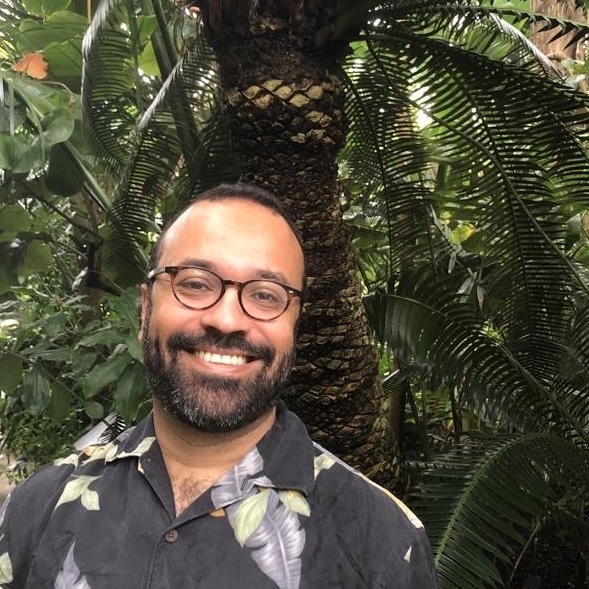
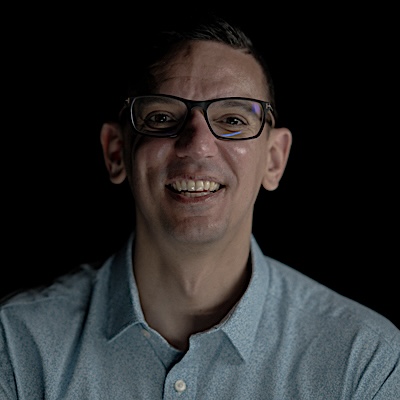
Dr Mohammad Khamsya Bin Khidzer is Lecturer in Medicine, Health and Society in the Department of Global Health and Social Medicine, King’s College London. He currently working on a book project on the globalization of Asian Diabetes from Singapore, which traces how diabetes transformed from a relatively obscure condition in the colonial tropics, to a biovaluable and racialized disease in postgenomic Singapore. He has published research on the social and historical studies of science and medicine in journals such as Biosocieties and EASTS,  as well as public facing outlets such as academia.sg and Positions Politics. More recently,  Mohammad has started exploring the diabetes issue comparatively, looking at health movements in Singapore, Malaysia and Indonesia that engage with healing and care practices through the lens of Nusantara.

PREVIOUS READING GROUPS

Revisiting the three and a half decades of decoloniality with Madina Tlostanova

Online reading group via Teams

Wednesday 3 December 2025, 15:00 - 16:30

(Central European Time)

EVENT PASSED
A genealogy of adab and the urge to question world literature with Mwaffaq Al-Hajjar

Online reading group via Teams

Friday 7 November 2025, 20:00 - 21:30

(Australian Eastern Standard Time)

or 10:00 - 11:30

(Central European Time)

EVENT PASSED, CLICK FOR MINUTES
Incompatibility, decoloniality, and vaccine hesitancy with Dimas Iqbal Romadhon

Online reading group via Teams

Wednesday 29 October 2025, 17:00 - 18:30

(Greenwich Mean Time)

or 18:00 - 19:30

(Central European Time)

EVENT PASSED, CLICK FOR MINUTES
The return of biological races? With Celso Neto

Online reading group via Teams

Wednesday 9 July 2025, 16:00 - 17:30 (British Summer Time)

Event passed
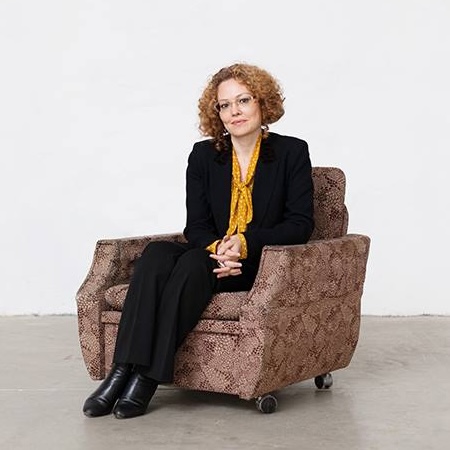
Inhabiting borderzones, becoming woman: A decolonial reading of Krishna Sobti’s select fiction with Bharti Arora

Hybrid reading group via Teams and AIAS (Denmark)

Wednesday 7 May 2025, 10:00 - 11:30 (Central European Time)

EVENT PASSED, CLICK FOR MINUTES
Decoloniality in the midst of genocide with Muhannad Ayyash

Online reading group via Teams

Wednesday 4 December 2024, 17:00 - 18:30 (GMT)

Event passed, click for minutes
Knowledge production in the 'Arab-majority' world and unlearning in the field: Toward alternative research politics with Ali Kassem

Online reading group via Teams

Wednesday 6 November 2024, 11:00 - 12:30 (GMT)

EVENT PASSED, CLICK FOR MINUTES
From subjects to authors: Reclaiming agency in refugee research and building a publishing praxis with Kirandeep Kaur

Online reading group via Teams

Wednesday 9 October 2024, 18:00 - 19:30 (BST)

Event passed, click for minutes
Social justice in times of racial saturation with Gaspard Rey

Online reading group via Teams

Wednesday 18 September 2024, 16:00 - 17:30 (BST)

Event passed
Thinking with the grain of geography: Dust, desert and storytelling with Aya Nassar

Online reading group via Teams

Wednesday 7 August 2024, 16:00 - 17:30 (BST)

Event passed, click for minutes
(Re-)routing as Methodology: Unpacking the Ambivalent Proximities of Eastern European Whiteness with Špela Drnovšek Zorko

Online reading group via Teams

Wednesday 3 July 2024, 10:00 - 11:30 (BST)

EVENT PASSED, CLICK FOR MINUTES
Decoloniality in South African Language Policy: Resisting Marginalisation of African Language Speaking Children with Xolisa Guzula

Online reading group via Teams

Wednesday 5 June 2024, 16:00 - 17:30 (BST)

EVENT PASSED, CLICK FOR MINUTES
Decolonising Critique: Enfleshing Futurities (M)otherwise with Sara C. Motta

Online reading group via Teams

Wednesday 8 May 2024, 9:00 - 10:30 (BST)

EVENT PASSED, CLICK FOR MINUTES
Religion, modernity, coloniality: Thinking through decolonial Judaism with Santiago Slabodsky

Online reading group via Teams

Thursday 7 March 2024, 16:00 - 17:00 (GMT)

EVENT PASSED
Decolonisation as practice: Reflecting on personal and institutional journeys towards change with Asanda Ngoasheng

Online reading group via Teams

Wednesday 21 February 2024, 14:00 - 15:30 (GMT)

EVENT PASSED, CLICK FOR MINUTES
'Afroscenology and British actors?: Mobilising cultural and linguistic resources in performer training'

Wednesday 31 January 2024, 16:30 (GMT) with Samuel Ravengai, University of the Witwatersrand and Claire French, University of Birmingham

EVENT PASSED, CLICK FOR MINUTES
'Postcolonial memory work is wake work'

Wednesday 6 December 2023, 15:00 (GMT) with Sakiru Adebayo, University of British Columbia

EVENT PASSED, CLICK FOR MINUTES
'What is the Relationship between Modernity and Capitalism?: A Decolonial Approach'

Wednesday 4 October 2023, 18:00 (BST) with Ramon Grosfoguel, UC Berkeley

EVENT PASSED, CLICK FOR MINUTES

Back to articles

Read our current issue with its provocations and minutes from previous reading groups.

Articles
Related articles
Europe, Middle East, Practice as research, Volume 4, Issue 1
Watermelon Hairclips and Safe Spaces: Leading a Movement Workshop as a visiting Israeli artist
  • March 16, 2026
  • 5 mins Read
Asia, Comparative Philosophy, Political theory, Volume 4, Issue 1
Learning from Three Teachers: Mulyadhi Kartanegara, al-Attas and Ngũgĩ wa Thiong’o
  • February 19, 2026
  • 8 mins Read
Anthropology, Asia, United States, Volume 4, Issue 1
What can anthropology contribute to decolonial scholarship?
  • December 2, 2025
  • 15 mins Read
Be notified of reading groups and publications

You consent to be contacted for these reasons.

Check your inbox or spam folder to confirm your subscription.


Reading Decoloniality © 2026 by Reading Decoloniality is licensed under

Creative Commons Attribution-NonCommercial-ShareAlike 4.0 International

© MMXXII | Terms | Privacy | Cookies | Accessibility | Modern Slavery Statement

Reading decoloniality
  • JOURNAL
    • Recent articles ⌄
    • Watermelon Hairclips and Safe Spaces: Leading a Movement Workshop as a visiting Israeli artist
    • Learning from Three Teachers: Mulyadhi Kartanegara, al-Attas and Ngũgĩ wa Thiong’o
    • What can anthropology contribute to decolonial scholarship?
    • Being an adīb among strangers: A reflection from the threshold
    • Inhabiting borderzones, becoming woman in women’s writing
  • ABOUT
    • Aims & scope
    • Editorial & Programming
    • Contact
    • FAQ
    • Special issues with partner journals
  • JOIN A READING GROUP
  • Aims & scope
  • Editorial & programming
  • Contact
Be notified of reading groups and publications

You consent to be contacted for these reasons.

Check your inbox or spam folder to confirm your subscription.

PRESS ESC TO CLOSE