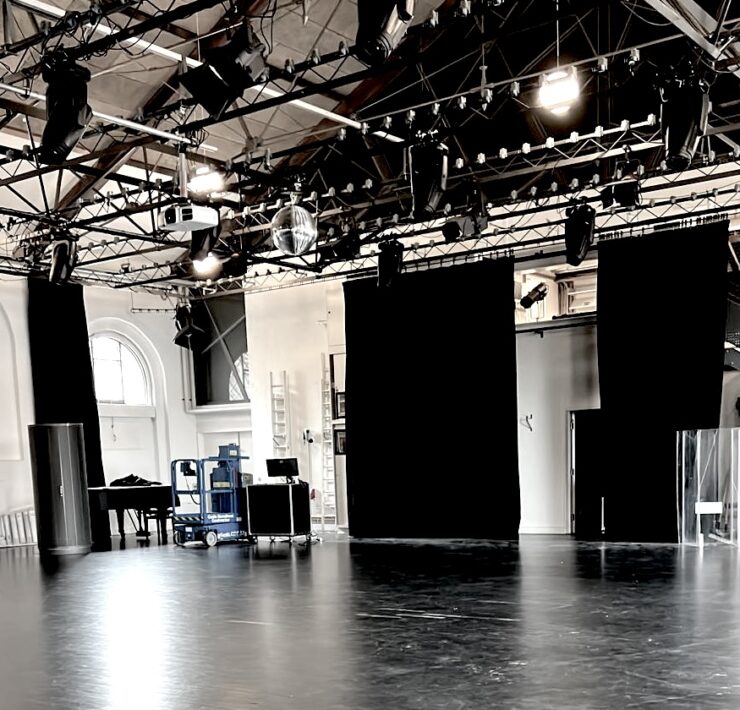
‘It made me feel safe after seeing your hairclip’, the student said after raising their hand. As a movement director, teacher and performer, I have always been aware of how the body…
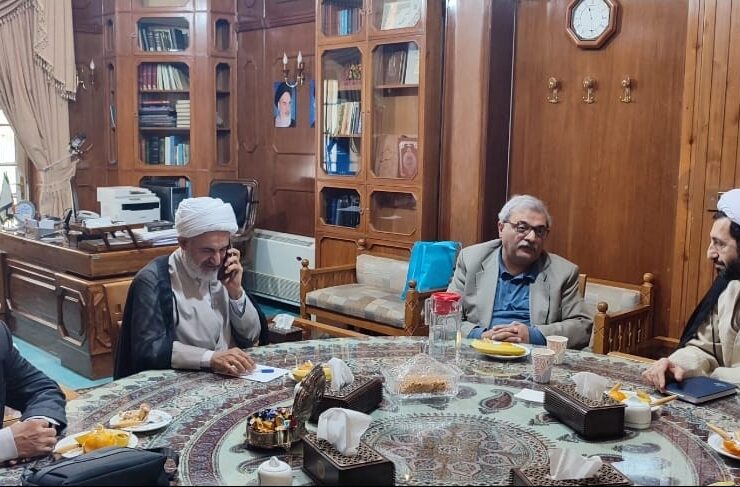
I approach Ngũgĩ wa Thiong’o and Naquib al-Attas here in a modest and personal way: As intellectual teachers whose work has shaped how I think about decolonisation, language, and being. This modest…
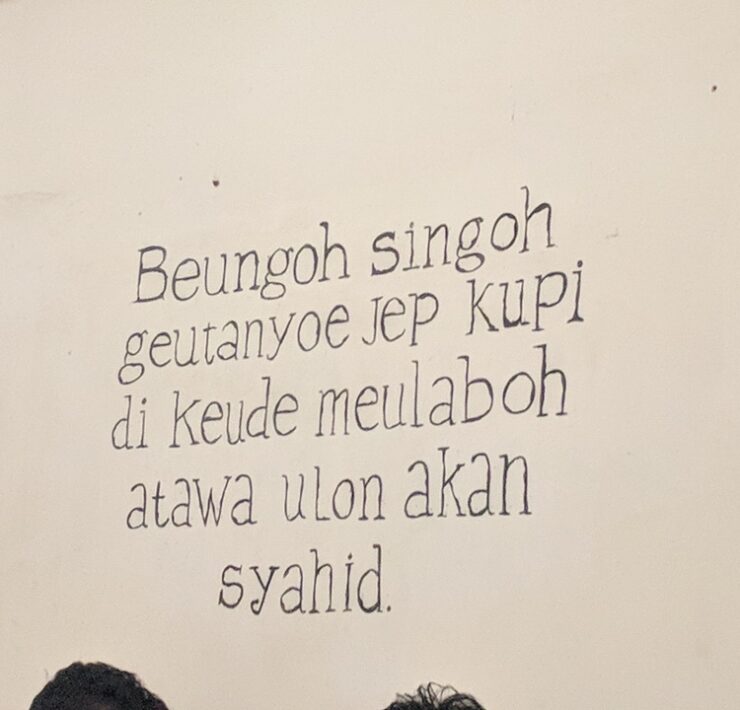
What does anthropology, burdened by its own colonial history and currently undergoing its own decolonisation, have to offer to decolonial scholarship? It is irrefutable that anthropology, for much of its history, was…
When I first left my family home, my father offered me a sentence that travelled with me more faithfully than any suitcase: Ya gharīb kūn adīb - ‘O stranger, be adīb.’ I…
The indeterminate place of the borderzone holds a radical potential to emphasise subaltern (women’s) resistances. Chicana thinkers such as Gloria Anzaldúa (1987) and José David Saldívar (1997) define the borderzone as an…
My personal and academic experiences have been shaped by movement from the Arab region, to Europe and the UK, and then to Southeast Asia. Since relocating to Singapore in 2022 I have…
